Call Us Now


A new partnership between China’s Henan Lima Biotechnology Co., Ltd. and Ghana’s Adwinton Trading and Investment Ltd is set to enhance livestock productivity and improve animal nutrition systems across Ghana and the broader African market.
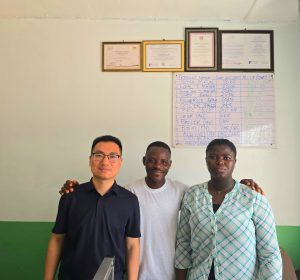
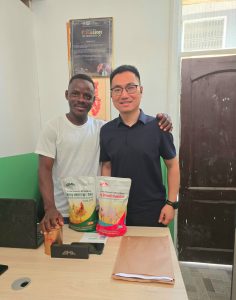
The agreement was formalised during an official visit by Mr. Michael Wang, Chief Executive Officer of Henan Lima Biotechnology, who travelled to Ghana on Saturday, 25 April 2025, to conclude discussions and seal the strategic collaboration.
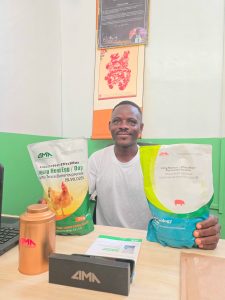
The visit marks a significant step in deepening ties between the two companies, with a shared focus on deploying innovative, science-based solutions to address longstanding challenges within the livestock sector.
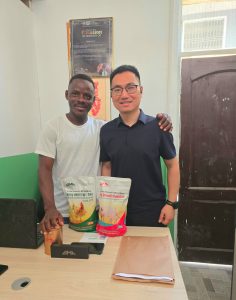
Henan Lima Biotechnology brings technical expertise in feed additives and animal health solutions, while Adwinton Trading and Investment Ltd contributes its strong local presence and understanding of Ghana’s agricultural landscape.

Together, the partners aim to introduce products and practices that improve feed efficiency, promote animal health, and increase output for farmers.
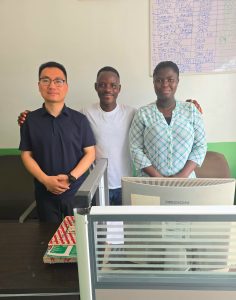
Stakeholders in the agriculture industry say the partnership comes at a critical time, as many African countries seek to modernise farming systems and boost food production in response to growing populations and changing consumption patterns.

By prioritising research-driven solutions, the collaboration is expected to help farmers optimise resources and reduce production costs, while maintaining high standards of quality and sustainability.

Both companies have emphasised their commitment to supporting farmers through accessible and practical innovations, ensuring that improvements in livestock production translate into tangible economic benefits at the grassroots level.
The initiative is also aligned with broader efforts to strengthen food security and build resilient agricultural systems across Africa.

Analysts suggest that such cross-border partnerships could play a key role in accelerating the continent’s agricultural transformation.
As implementation begins, attention will be focused on how effectively these solutions are adopted and scaled, with the potential to significantly reshape livestock farming practices in Ghana and beyond.